Insurance for Wholesalers, Distributors, Warehouses and Product Supply Businesses
Wholesale and distribution businesses keep products moving between manufacturers, retailers, contractors, restaurants, offices and end users. A warehouse fire, damaged shipment, product liability claim, cyberattack, forklift injury, stolen inventory, delivery accident or supply chain interruption can quickly affect revenue and customer contracts. Casurance helps wholesale and distribution businesses review Travelers commercial insurance options for property, liability, workers' compensation, auto, inland marine, cyber and umbrella.
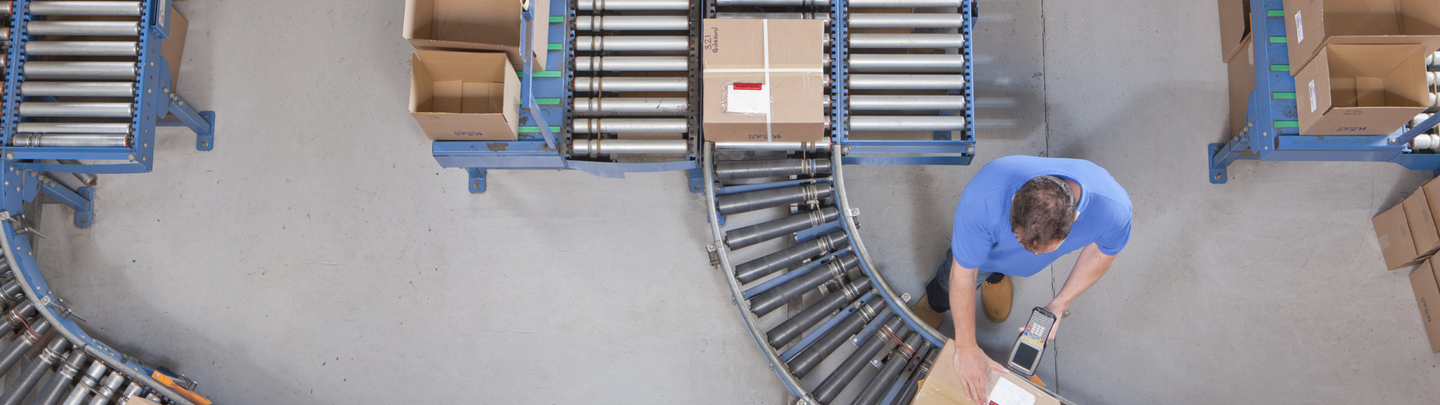
Insurance built for businesses that store, sell and move inventory
Wholesalers and distributors face risk in several places at once: inside the warehouse, on the road, during loading and unloading, while inventory is in transit, when products reach customers, and when vendor contracts require specific insurance wording. The right policy structure depends on the products sold, inventory value, warehouse size, delivery operations, import/export exposure, employee count, contract requirements, product liability exposure and business interruption risk.

Inventory and warehouse property
Inventory, shelving, forklifts, conveyors, office equipment, tenant improvements and warehouse buildings can be damaged by fire, water, theft, vandalism, wind, equipment failure or other covered causes of loss.
Product liability and product recall
A distributor may be named in a lawsuit even when it did not manufacture the product. Product liability and product recall coverage should be reviewed when goods could cause injury, contamination, property damage, allergic reaction, malfunction or financial loss.
Goods in transit
Inventory can be damaged, stolen or lost while being transported to customers, job sites, retailers, warehouses or storage locations. Inland marine, transit, motor truck cargo or ocean cargo coverage may be needed depending on the operation.
Business interruption
A covered property loss can stop shipping, receiving, order fulfillment and customer deliveries. Business income, extra expense and dependent property coverage should be reviewed to help protect cash flow.
Employee and warehouse injuries
Warehouse employees can be injured by lifting, forklifts, pallet jacks, slips, falls, falling boxes, loading docks, repetitive motion and delivery operations. Workers' compensation and safety controls should be reviewed.
Cyber, crime and payment risk
Wholesalers rely on ordering systems, payment platforms, customer records, vendor portals and accounting systems. Cyber liability, crime, funds transfer fraud and employee dishonesty coverage should be reviewed.
Wholesale and distribution businesses we help review
Coverage availability depends on product type, inventory value, building construction, warehouse protection, delivery radius, contract requirements, loss history, payroll, revenue, vehicle use, import/export activity and underwriting appetite.
Core wholesale and distribution insurance coverage options
Commercial Property
May help protect buildings, business personal property, inventory, equipment, shelving, office contents, computers, tenant improvements and other covered property. Wholesale businesses should review inventory limits, valuation, seasonal stock increases, warehouse locations, fire protection, theft protection and equipment values.
Business Income and Extra Expense
May help replace lost income and pay extra expenses if a covered property loss forces the business to suspend or reduce operations. This is important when a warehouse, inventory system, delivery operation or key location cannot operate after a covered loss.
General Liability
May help respond to third-party bodily injury, property damage, personal injury and advertising injury claims. Examples include customer injuries at a warehouse, property damage during delivery, or claims connected to products distributed by the business.
Product Liability
May help respond when a product distributed by the business allegedly causes bodily injury or property damage. Distributors can be named in lawsuits even when another company manufactured the product.
Workers' Compensation
May help cover medical expenses and lost wages for covered employee injuries. Warehouse workers, drivers, loaders, order pickers, forklift operators, sales staff and office employees can all create workers' compensation exposure.
Commercial Auto
May help cover business-owned vehicles used for deliveries, pickups, sales visits, warehouse transfers and customer service. Review owned vehicles, hired vehicles, employee vehicles, delivery radius, driver eligibility and certificate requirements.
Umbrella / Excess Liability
May provide additional limits above underlying liability policies. Larger vendors, retailers, landlords, suppliers and customer contracts may require higher liability limits.
Cyber Liability
May help respond to data breaches, ransomware, payment fraud, business email compromise, system interruption and customer notification costs. Wholesalers using online ordering, EDI systems, credit cards, vendor portals or customer databases should review cyber coverage.
Specialized coverage for wholesale and distribution operations
Wholesale and distribution operations have specialized exposures that standard policies may not fully address. Ocean cargo for imports, warehouse legal liability for customer goods, product recall for safety-sensitive products, equipment breakdown for conveyor systems, seasonal inventory increases, dependent property coverage for supply chain partners and management liability should all be reviewed based on actual operations.
Inland Marine / Property in Transit
May help protect goods, equipment or inventory while away from the main premises, in transit, temporarily stored off-site, or moving between locations. This is important for distributors that ship or deliver inventory.
Ocean Cargo
Importers and exporters should review ocean cargo coverage for goods moving internationally by ship, air or other transit methods. Domestic property coverage may not protect goods moving across international shipping routes.
Warehouse Legal Liability
If the business stores customer goods, warehouse legal liability should be reviewed. Standard property insurance generally protects property the business owns, not customer property in the warehouse's care.
Equipment Breakdown
May help respond when covered equipment breaks down suddenly, such as conveyor systems, refrigeration, warehouse machinery, electrical systems, HVAC, compressors, fans, dock equipment or other key machinery.
Product Recall
May help with costs tied to removing defective, contaminated, mislabeled or unsafe products from the market. This should be reviewed for food, beverage, medical, beauty, electronics, auto parts and safety-sensitive products.
Crime / Employee Dishonesty
May help protect against theft of money, securities, inventory, checks, funds transfer fraud, forgery or dishonest acts by employees. Wholesale businesses often hold significant inventory and process large payments.
Dependent Property / Supply Chain Interruption
A supplier, manufacturer, logistics partner or key customer loss can disrupt the wholesaler's revenue. Dependent property or supply chain-related business income coverage should be reviewed where available.
Seasonal Inventory Increase
Some distributors carry more inventory before holidays, seasonal demand, construction cycles, restaurant demand, retail resets or agricultural periods. Seasonal increase limits should be reviewed so the policy reflects peak inventory values.
Management Liability
Larger wholesalers, private companies and family-owned distributors should review D&O, EPLI, fiduciary and crime options for leadership, employment and financial management exposures.
International / Global Coverage
Wholesalers with foreign suppliers, international sales, overseas inventory, trade shows, foreign travel or global operations should review international coverage, foreign liability and cargo coverage.
Environmental / Pollution
Distributors handling chemicals, cleaning supplies, fuel, auto products, batteries, paints, coatings or other sensitive goods should review pollution liability where required by contract or exposure.
Surety / Supply Bonds
Some distributors may need bonds for supply contracts, government contracts, vendor obligations or performance guarantees. Surety should be reviewed if contracts require bonded performance.
Real-life scenarios wholesalers and distributors should plan for
Warehouse fire damages inventory
A fire damages warehouse racks, equipment and inventory. Commercial property may help with covered physical damage, while business income coverage may help with lost revenue during repairs.
Review: Commercial property / Business income
Forklift accident injures an employee
A forklift operator strikes a pallet stack and an employee is injured. Workers' compensation may help with medical treatment and wage replacement for a covered work injury.
Review: Workers' compensation
Customer slips in warehouse showroom
A customer visiting the warehouse slips near a loading area and files a claim. General liability may help respond to third-party injury claims.
Review: General liability
Delivery truck accident damages customer property
A company delivery vehicle backs into a customer's loading dock. Commercial auto may help respond to covered property damage and liability.
Review: Commercial auto
Product defect lawsuit
A product distributed by the wholesaler allegedly causes injury or property damage after resale. Product liability coverage should be reviewed because distributors can be brought into the claim.
Review: Product liability
Inventory stolen from warehouse
A theft results in missing inventory and damaged doors. Property coverage, crime controls, inventory valuation and security requirements should be reviewed before a loss occurs.
Review: Commercial property / Crime
Goods damaged in transit
Inventory is damaged while being transported between a warehouse and a customer. Inland marine, transit or cargo coverage should be reviewed to determine whether the goods are protected.
Review: Inland marine / Transit
Supplier fire delays shipments
A key supplier suffers a fire, causing a shortage that prevents the distributor from fulfilling customer orders. Dependent property and business income coverage should be reviewed.
Review: Dependent property / Business income
Ordering system ransomware attack
A ransomware attack locks the distributor out of inventory, billing and shipping systems. Cyber liability may help with response costs, data restoration, legal response and business interruption.
Review: Cyber liability
Product recall expense
A food, beauty, electronics or auto parts product is recalled due to contamination, defect or safety issue. Product recall coverage may help with recall costs, notification and related expenses where covered.
Review: Product recall
Employee theft of inventory
An employee manipulates inventory records and removes products from the warehouse. Crime or employee dishonesty coverage should be reviewed.
Review: Crime / Employee dishonesty
Contract requires special certificate wording
A retailer, landlord, supplier or customer requires additional insured status, waiver of subrogation or higher liability limits. Casurance can review the certificate requirement before proof of insurance is issued.
Review: Certificate review / Umbrella
Certificates, contracts and vendor insurance requirements
Wholesale and distribution businesses often need proof of insurance for landlords, retailers, manufacturers, suppliers, customers, logistics partners, trade shows, warehouses, financing companies and government contracts. The exact wording matters. A policy should be reviewed before assuming a contract requirement is satisfied.
Additional insured requests
Vendors, landlords and retailers may require additional insured status on general liability, auto or umbrella policies. Casurance can review the wording requested.
Waiver of subrogation
Some contracts require waiver of subrogation on general liability, workers' compensation, auto or property policies. This should be reviewed before agreeing.
Primary and non-contributory wording
Contracts may require your policy to respond first before another party's policy. The policy and endorsement availability should be reviewed.
Higher limits and umbrella requirements
Large customers, retailers, warehouses and distributors may require higher liability limits than standard policies. Umbrella or excess liability should be reviewed.
Product liability and recall requirements
A vendor agreement may require specific product liability limits, recall coverage, completed operations wording or coverage for imported goods. These should be reviewed before signing.
Information needed for a wholesale and distribution insurance review
Documents that help speed up your wholesale insurance quote
The fastest way to review a wholesale or distribution account is to provide current insurance documents, inventory values, location details, vehicle schedules, loss runs and contract requirements. Casurance can review these items and help identify Travelers commercial insurance options that may fit the operation.
- Current policy declarations
- Current renewal offer
- 3–5 years loss runs
- Inventory schedule
- Peak inventory values
- Warehouse lease
- Building details
- Vehicle schedule
- Driver schedule
- Product list
- Imported product list
- Supplier contracts
- Customer contracts
- Certificate requirements
- Vendor insurance requirements
- Product recall plan if available
- Safety program
- Forklift training records if available
- Fire protection or sprinkler information
- Alarm/security information
- Prior claim details
- Photos of warehouse or inventory if available
Tip: Upload your current policy, inventory schedule, loss runs and certificate requirements on the quote form and Casurance can compare coverage and limits against your vendor and retailer contract needs.
Related Coverage Pages
Related Resources
Related Industries
Protect your inventory, warehouse, deliveries and contracts
Send Casurance your current policy, renewal offer, inventory values, product list, warehouse details, vehicle schedule, loss runs or certificate requirements. A Casurance specialist can help review Travelers commercial insurance options for wholesalers, distributors, warehouses, importers and product supply businesses.
Coverage is subject to underwriting approval, state availability, policy terms, exclusions, conditions, and limits. This page is for general information only and does not modify any insurance policy.
About Casurance Agency Insurance Services
Casurance Agency Insurance Services is a licensed independent commercial insurance agency based in Los Angeles, California. Casurance helps businesses review commercial insurance options for general liability, workers' compensation, commercial auto, commercial property, cyber liability, umbrella and specialty insurance programs.
714 W Olympic Blvd
Los Angeles, CA 90015
Frequently Asked Questions
Get Your Instant Quote
Fast. Free. No Obligation.