
Insurance for Transportation, Logistics, Trucking, Cargo and Fleet Operations
Transportation and logistics businesses operate under constant pressure. A serious accident, stolen cargo, damaged freight, driver injury, vehicle downtime, warehouse loss, cyber incident, missed filing or certificate issue can stop operations fast. Casurance helps transportation businesses review Travelers commercial insurance options for commercial auto, motor truck cargo, physical damage, general liability, workers' compensation, inland marine, warehouse legal liability, cyber, umbrella and filings.

Insurance built for businesses that move people, goods and freight
Transportation and logistics companies face risk on the road, at the terminal, in the warehouse, at pickup and delivery points, and inside dispatch and payment systems. The right insurance program depends on what the business moves, who owns the vehicles, where the vehicles operate, whether freight is hauled for others, whether drivers are employees or contractors, whether filings are required, and what contracts or shippers require.
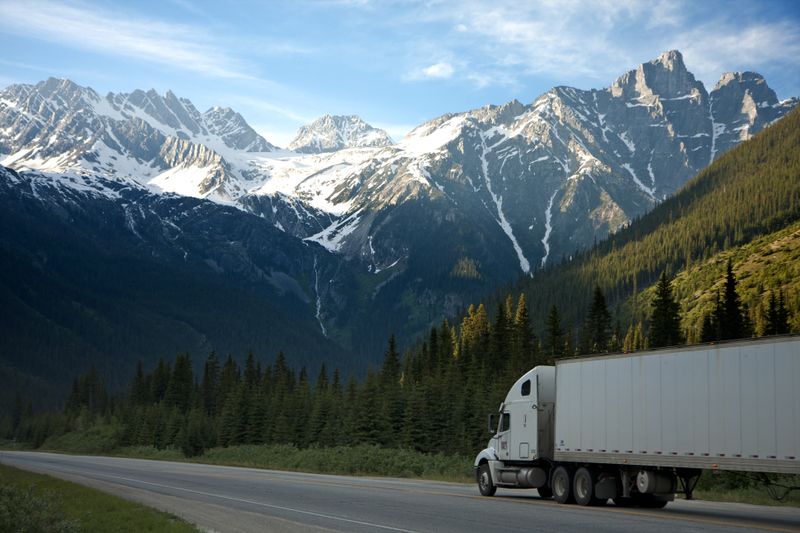
Accidents and auto liability
Commercial vehicles create high-severity exposure. Auto liability should be reviewed for bodily injury, property damage, legal defense, contract requirements, state filings and federal filing requirements.
Cargo theft and cargo damage
Freight can be damaged, stolen, misdirected, spoiled, contaminated or lost in transit. Motor truck cargo and inland marine coverage should be reviewed based on commodity type, cargo value, radius, storage, theft exposure and contract wording.
Driver injuries and workers' compensation
Drivers, warehouse employees, dispatchers, mechanics and loaders can suffer injuries from lifting, loading, slips, crashes, repetitive motion, forklift operations and roadside incidents. Workers' compensation should be reviewed for employee operations.
Vehicle downtime and physical damage
A truck, trailer, van or delivery vehicle out of service can interrupt revenue. Physical damage, rental reimbursement, towing, downtime options and equipment coverage should be reviewed where available.
Freight broker and logistics liability
Freight brokers, forwarders and 3PLs may face claims when a carrier's insurance fails to respond, cargo is damaged, or shipping documents create a dispute. Contingent cargo, broker liability, E&O and cyber should be reviewed.
Warehousing and terminal exposure
Goods stored in a warehouse, terminal or distribution facility may not be covered by standard property insurance because they belong to customers. Warehouse legal liability, terminal coverage and property coverage should be reviewed.
Transportation and logistics businesses we help review
Coverage availability depends on class of business, vehicle type, radius, filings, driver history, loss runs, garaging state, commodities hauled, fleet size, contracts, and underwriting appetite. Public auto and passenger transport may be referred to the appropriate Casurance program.
Core transportation insurance coverage options
Commercial Auto Liability
May help respond to bodily injury and property damage claims caused by covered business vehicles. Transportation businesses should review limits, deductibles, filings, radius, driver eligibility, vehicle use, state requirements, and contract requirements.
Physical Damage
May help repair or replace covered vehicles after collision, theft, fire, vandalism or other covered causes of loss. This should be reviewed for tractors, box trucks, vans, trailers and specialty equipment, especially when vehicles are financed or leased.
Motor Truck Cargo
May help protect cargo while in transit when the insured is legally liable for damage or loss. Cargo coverage should be reviewed based on commodity type, refrigerated exposure, theft risk, load value, exclusions, unattended vehicle rules and contract requirements.
General Liability
May help respond to non-auto bodily injury or property damage claims, such as a visitor injury at an office, terminal, warehouse or loading area. It can also help with certain premises and operations exposures not handled by commercial auto.
Workers' Compensation
May help cover medical expenses and lost wages for covered work-related injuries. Drivers, warehouse workers, dispatch staff, mechanics and loaders may all create workers' compensation exposure.
Commercial Umbrella / Excess Liability
May provide additional limits above underlying liability policies. Transportation contracts, shippers, brokers, warehouses, landlords and larger accounts may require higher limits than the primary policy provides.
Cyber Liability
Transportation companies rely on dispatch systems, ELD data, customer portals, payment systems, load boards, GPS, email and electronic records. Cyber coverage should be reviewed for ransomware, data breach, business interruption, wire fraud and system downtime.
Employment Practices Liability
Transportation operations with drivers, dispatchers, warehouse staff and management should review EPLI for claims involving wrongful termination, discrimination, harassment, retaliation or employment-related disputes.
Specialized coverage to review by operation type
Transportation operations have specialized exposures that standard policies may not address. Trailer interchange, non-owned trailer damage, reefer breakdown, contingent cargo, warehouse legal liability, bobtail coverage, pollution and cargo theft controls should be reviewed based on the actual operations, contracts and commodities handled.

Trailer Interchange
For operations that use non-owned trailers under a written trailer interchange agreement, trailer interchange coverage may help respond to physical damage to trailers in the insured's care, custody or control.
Non-Owned Trailer Physical Damage
If the business uses trailers it does not own, non-owned trailer physical damage should be reviewed to determine whether the trailer is protected while being used in business operations.
Hired and Non-Owned Auto
If employees, contractors or staff use personal vehicles, rented vehicles or hired vehicles for business, HNOA should be reviewed. This is important for delivery, courier, sales, inspection, dispatch and service operations.
Freight Broker Contingent Cargo
Freight brokers and 3PLs should review contingent cargo coverage for claims where a motor carrier's cargo policy fails to respond, excludes a commodity, has insufficient limits or creates a coverage dispute.
Warehouse Legal Liability
Warehouses, distribution centers and storage operations should review warehouse legal liability for customer goods in their care. Standard property coverage usually protects property the business owns, not customer property.
Inland Marine
Inland marine coverage can help protect movable property, goods in transit, equipment, tools, cargo, customer property and other transportation-related property exposures depending on the policy form.
Reefer Breakdown / Temperature-Controlled Cargo
Businesses hauling refrigerated or temperature-sensitive goods should review whether cargo coverage includes reefer breakdown, spoilage, temperature variation, maintenance requirements and reporting obligations.
Non-Trucking Liability / Bobtail
Owner-operators leased to a motor carrier may need non-trucking liability or bobtail coverage depending on their lease agreement, dispatch status and when the truck is used outside motor carrier business.
Occupational Accident
Operations using 1099 owner-operators or independent contractors may review occupational accident coverage where appropriate. This is not a replacement for workers' compensation unless allowed and structured correctly under applicable law.
Pollution / Environmental
Transportation businesses hauling fuel, chemicals, waste, refrigerated cargo, food products or other sensitive commodities should review pollution or environmental coverage where required by contract, law or exposure.
Crime / Cargo Theft Review
Cargo theft, fictitious pickup, fraudulent carriers, employee theft and wire fraud can create major loss. Crime, cargo theft controls, carrier vetting, GPS/telematics and contract procedures should be reviewed.
Filing Support
Some transportation businesses may need federal or state insurance filings. Casurance can review whether the business needs filings such as FMCSA-related filings, California motor carrier filings or other proof of financial responsibility.
Real-life scenarios transportation businesses should plan for
Truck accident with bodily injury
A company truck is involved in a serious accident while delivering goods. Commercial auto liability may help respond to third-party bodily injury, property damage and legal defense costs.
Review: Commercial auto liability
Cargo stolen near a delivery route
A loaded vehicle is stolen or cargo is taken while waiting for delivery. Motor truck cargo coverage and theft prevention rules should be reviewed before a loss happens.
Review: Motor truck cargo
Refrigerated load spoiled
A reefer unit fails during transport and temperature-sensitive freight is rejected by the customer. Cargo coverage should be reviewed for reefer breakdown, spoilage exclusions and maintenance requirements.
Review: Reefer breakdown / cargo
Forklift damages customer goods in warehouse
A warehouse employee damages customer inventory while moving pallets. Warehouse legal liability may help when the business is legally liable for goods in its care.
Review: Warehouse legal liability
Freight broker claim after carrier denial
A freight broker arranges a load, but the carrier's insurer denies the cargo claim because the commodity was excluded. Contingent cargo or broker liability coverage should be reviewed.
Review: Contingent cargo / broker liability
Trailer damaged under interchange agreement
A non-owned trailer is damaged while in the carrier's possession under a written agreement. Trailer interchange or non-owned trailer coverage should be reviewed.
Review: Trailer interchange
Driver injured during unloading
A driver injures their back while unloading cargo at a customer site. Workers' compensation or occupational accident coverage should be reviewed based on worker classification.
Review: Workers' compensation
Employee uses personal vehicle for delivery
An employee uses a personal vehicle for a business delivery and causes an accident. Hired and non-owned auto coverage should be reviewed because a personal auto policy may not protect the business.
Review: Hired and non-owned auto
Cyberattack disrupts dispatch
A ransomware attack locks dispatch software, billing records and customer data. Cyber coverage may help with forensics, data restoration, notification, legal response and business interruption.
Review: Cyber liability
Contract requires higher limits
A shipper, freight broker, warehouse, port, terminal or landlord requires specific liability limits, additional insured wording or waiver of subrogation. Casurance can review the certificate requirement before binding or issuing proof of insurance.
Review: Umbrella / certificate review
Filings, certificates and compliance documents
Transportation insurance is often tied to filings, permits, shipper contracts, broker agreements, lease agreements, terminal access, warehouse contracts and certificate wording. Requirements can vary based on whether the business is intrastate, interstate, for-hire, private carrier, freight broker, warehouse operator, courier, last-mile delivery provider or owner-operator.
Federal and state filings
Some motor carriers may need filings to prove financial responsibility. Requirements depend on operating authority, cargo type, radius, vehicle weight and whether the operation is interstate or intrastate.
California motor carrier requirements
California transportation businesses may have state-specific insurance, workers' compensation and motor carrier requirements. Casurance should review the operation type before assuming the correct filing or limit.
Shipper and broker contracts
Contracts may require specific cargo limits, auto liability limits, general liability limits, umbrella limits, additional insured wording, waiver of subrogation, primary/non-contributory wording or notice of cancellation terms.
Certificates of insurance
Transportation clients often need same-day proof of insurance for shippers, brokers, warehouses, ports, terminals, landlords or financing companies. Casurance should collect exact certificate wording before issuing.
Driver and vehicle underwriting
Insurers usually review driver age, license class, MVRs, accident history, CDL status, prior violations, vehicle type, garaging location, radius, commodities, loss runs and maintenance practices.
Information needed for a transportation insurance review
Documents that help speed up your transportation quote
The fastest way to review a transportation or logistics account is to provide current insurance documents, vehicle and driver schedules, loss runs, filings, contracts and certificate requirements. Casurance can review these items and help identify Travelers commercial insurance options that may fit the operation.
- Current policy declarations
- Current renewal offer
- 3–5 years loss runs
- Vehicle schedule
- Trailer schedule
- Driver schedule
- DOT/MC authority information
- California MCP information if applicable
- Cargo list and commodity details
- Current cargo limits
- Contracts from shippers or brokers
- Certificate requirements
- Lease agreements
- Warehouse contracts
- Safety program documents
- ELD or telematics summary
- Maintenance records if available
- Prior claim details
- Financing/lienholder information
- Photos of vehicles or terminal if available
Tip: Upload your current policy, vehicle schedule, loss runs and certificate requirements on the quote form and Casurance can compare coverage and limits against your shipper and broker contract needs.
Related Coverage Pages
Related Resources
Related Industries
Keep your fleet, freight and logistics operation moving
Send Casurance your current policy, vehicle schedule, driver list, loss runs, DOT/MC information, cargo details or certificate requirements. A Casurance specialist can help review Travelers commercial insurance options for trucking companies, delivery fleets, freight brokers, warehouses and logistics businesses.
Coverage is subject to underwriting approval, state availability, policy terms, exclusions, conditions, and limits. This page is for general information only and does not modify any insurance policy.
About Casurance Agency Insurance Services
Casurance Agency Insurance Services is a licensed independent commercial insurance agency based in Los Angeles, California. Casurance helps businesses review commercial insurance options for general liability, workers' compensation, commercial auto, commercial property, cyber liability, umbrella and specialty insurance programs.
714 W Olympic Blvd
Los Angeles, CA 90015
Frequently Asked Questions
Get Your Instant Quote
Fast. Free. No Obligation.