
Car Dealership Insurance for New and Used Auto Dealers
Protect your dealership lot, customer vehicles, test drives, dealer plates, property, employees, and paperwork with coverage reviewed through Casurance and Travelers Commercial Insurance.
Running a dealership is different from running a normal retail business. Your inventory sits outside, customers test drive vehicles, employees move cars around the lot, finance paperwork must be handled correctly, and customer vehicles may be in your care during service, inspection, detail, or delivery. A standard business policy may not address these dealership-specific exposures.
Casurance helps auto dealers review coverage options such as garage liability, garagekeepers, dealers open lot, dealer physical damage, commercial property, business income, inland marine, workers' compensation, commercial auto, umbrella, cyber, crime, and auto dealer errors and omissions.
Quick Coverage Summary
A closer look at the coverages most car dealerships review with Casurance and Travelers.
Garage Liability
Covers liability arising from dealership operations, including bodily injury or property damage connected to selling, servicing, moving, or test driving vehicles.
Example: A customer is injured on the lot during a vehicle walkthrough, or a salesperson damages another person's property during a test drive.
Garagekeepers
Protects customer vehicles while they are in the dealership's care, custody, or control.
Example: A customer vehicle left for service, detail, inspection, or trade-in evaluation is damaged by theft, fire, vandalism, or collision while on the premises.
Dealers Open Lot / Dealer Physical Damage
Helps protect owned inventory held for sale from covered losses such as theft, vandalism, fire, collision, hail, wind, or other covered physical damage.
Example: A storm damages several vehicles parked outside overnight, or a vehicle is stolen from the dealership lot.
Test Drive Liability
Helps address auto liability exposures when customers, employees, or permitted drivers operate vehicles for test drives, delivery, or dealership business.
Example: A prospective buyer test drives a vehicle and is involved in an accident before returning to the lot.
Auto Dealer E&O
Helps address certain dealership paperwork and transaction-related mistakes, subject to policy terms.
Example: An error in title paperwork, financing documents, odometer disclosure, or sale documentation creates a financial dispute.
Commercial Property
Protects the dealership building, office furniture, signs, computers, service equipment, parts, and business personal property from covered causes of loss.
Example: A fire damages the sales office, service counter, computer systems, and parts inventory.
Business Income / Extra Expense
Helps replace lost income and extra operating costs when a covered property loss forces the dealership to partially or fully shut down.
Example: After a fire or major water loss, the dealership must rent temporary office space while repairs are completed.
Workers' Compensation
Helps cover medical costs and lost wages for employees injured on the job.
Example: A lot attendant is injured moving vehicles, or a service employee is hurt while working around lifts, tools, or equipment.
Commercial Auto
Covers dealership-owned vehicles used for business operations, parts runs, customer pickup, delivery, or errands.
Example: An employee driving a dealership vehicle to pick up parts is involved in an accident.
Umbrella / Excess Liability
Provides additional liability limits over eligible underlying policies.
Example: A serious multi-vehicle test drive accident exceeds the primary liability limit.
Why Car Dealerships Need More Than a Standard Business Policy
A dealership combines several businesses into one operation: retail sales, auto inventory storage, vehicle movement, financing paperwork, customer interaction, service or detail work, and sometimes dealer plates or transport exposure. That combination creates coverage needs that are different from a normal office, retail shop, or repair garage.
- Vehicles are inventory, not just business property.
- Customers and employees may drive vehicles before purchase.
- Customer vehicles may be in your care for service, detail, appraisal, or delivery.
- Dealer plates and temporary permits create auto liability concerns.
- Finance, title, odometer, and sales paperwork can create E&O exposure.
- Outdoor inventory is exposed to theft, vandalism, hail, wind, fire, flood, and collision.
- Employees work around moving vehicles, lifts, batteries, tools, and customer traffic.
- Lenders, floorplan companies, landlords, and auction partners may require specific coverage and certificate wording.

Real Dealership Scenarios This Coverage Is Built Around
Test Drive Accident
A customer takes a used SUV on a test drive with a salesperson. Another vehicle stops suddenly, and the customer rear-ends it. The other driver claims injury and vehicle damage. The dealership now has to respond to the accident, liability questions, and potential legal claim.
Garage Liability, Commercial Auto, UmbrellaInventory Theft After Hours
Several vehicles are parked outdoors overnight. The next morning, one vehicle is missing and another has damaged windows and stripped parts. The dealership needs to repair or replace inventory and continue sales operations.
Dealers Open Lot, CrimeCustomer Vehicle Damaged in Service
A customer leaves a vehicle at the dealership for inspection before purchase. While in the dealership's possession, the vehicle is damaged by a lot employee moving another car.
Garagekeepers, Garage LiabilityHail or Wind Damage to Lot Inventory
A sudden storm damages multiple vehicles held for sale. The dealership has floorplan obligations and needs to repair or wholesale damaged units quickly.
Dealers Open Lot, Physical DamagePaperwork or Title Error
A vehicle is sold, but a title, lienholder, odometer, or finance disclosure issue creates a dispute. The customer or lender alleges the dealership caused financial harm.
Auto Dealer E&O, Cyber, CrimeEmployee Injury on the Lot
A lot porter slips while washing vehicles, or a technician is injured around a lift, battery, tool, or vehicle movement. The dealership needs a process for medical care, return-to-work, and claim handling.
Workers' Compensation, EPLI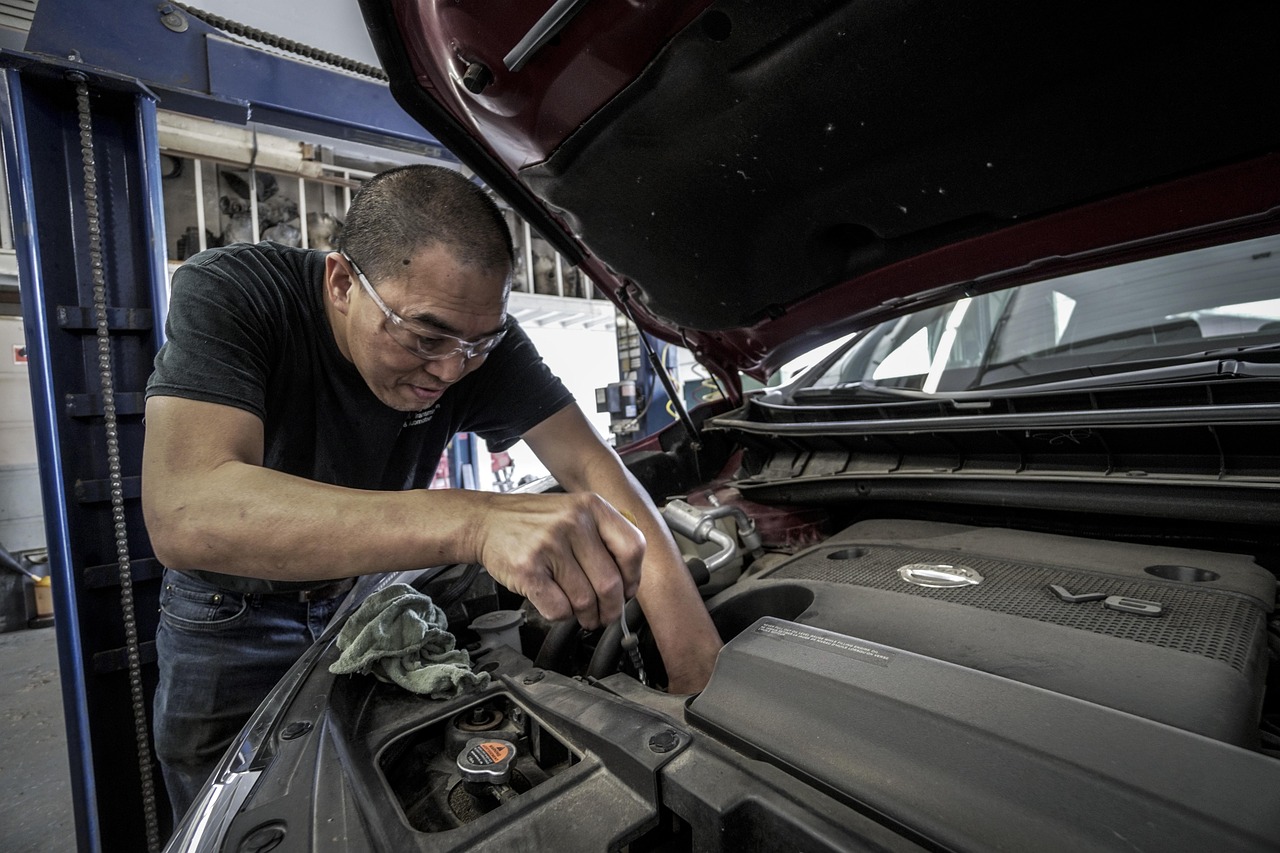
Core Insurance Coverages for Car Dealerships
Travelers writes auto dealers, and dealer's open lot and garagekeepers are specialty lines. New vs. used, inventory size, and finance operations affect what coverage structure fits your dealership.
Garage Liability
Garage liability is one of the core coverages for dealerships. It is designed around auto dealer operations and can help address bodily injury and property damage claims connected to selling, servicing, storing, moving, or test driving vehicles. It is different from basic general liability because it recognizes the auto-related nature of the business.
Garagekeepers
Garagekeepers coverage applies to customer vehicles in the dealership's care, custody, or control. This matters when a vehicle is left for repair, inspection, appraisal, detailing, storage, delivery prep, or trade-in review. Options may vary, including legal liability and direct primary, depending on underwriting and policy structure.
Dealers Open Lot / Dealer Physical Damage
Dealers open lot coverage helps protect vehicle inventory held for sale, including owned vehicles, used vehicles, consigned units if eligible, demonstrators if applicable, and non-floored inventory depending on underwriting. Floorplan lenders may require certain limits, loss payee wording, deductibles, and reporting procedures.
Commercial Property
Coverage for the dealership building, office, sales area, furniture, computers, signage, service equipment, parts, tools, and business personal property. This may include damage from fire, theft, vandalism, wind, and water damage, subject to policy terms.
Business Income
If a covered property loss interrupts sales, service, detail, or admin operations, business income and extra expense coverage can help with lost income and extra costs to keep operating.
Inland Marine / Tools & Equipment
For diagnostic tools, mobile equipment, dealer equipment, employee tools where eligible, and equipment that may move between locations or be used away from the main premises.
Commercial Auto
For dealership-owned vehicles used for parts runs, customer pickup/dropoff, errands, service vehicles, or business transportation.
Workers' Compensation
For sales staff, lot attendants, porters, mechanics, detailers, office employees, drivers, and managers, covering employee injuries from vehicle movement, slips and falls, tools, lifting, batteries, detailing chemicals, and service bays.
Umbrella / Excess
For higher limits when dealership risks exceed primary policy limits. Useful for serious test drive accidents, premises liability, customer injury, or large auto liability claims.
Cyber
For dealerships using CRM systems, financing platforms, customer data, credit applications, payment systems, dealer management systems, and online lead forms.
Crime / Employee Dishonesty
For theft of money, securities, inventory-related fraud, forged checks, and employee dishonesty where available.
Auto Dealer E&O / Acts, Errors or Omissions
For transaction-related errors such as title, odometer, lienholder, loan, lease, registration, finance paperwork, and disclosure mistakes, subject to the policy.
EPLI
For employee-related claims such as wrongful termination, harassment, discrimination, retaliation, or wage-related allegations where coverage is available.
Dealer Inventory Is One of Your Biggest Exposures
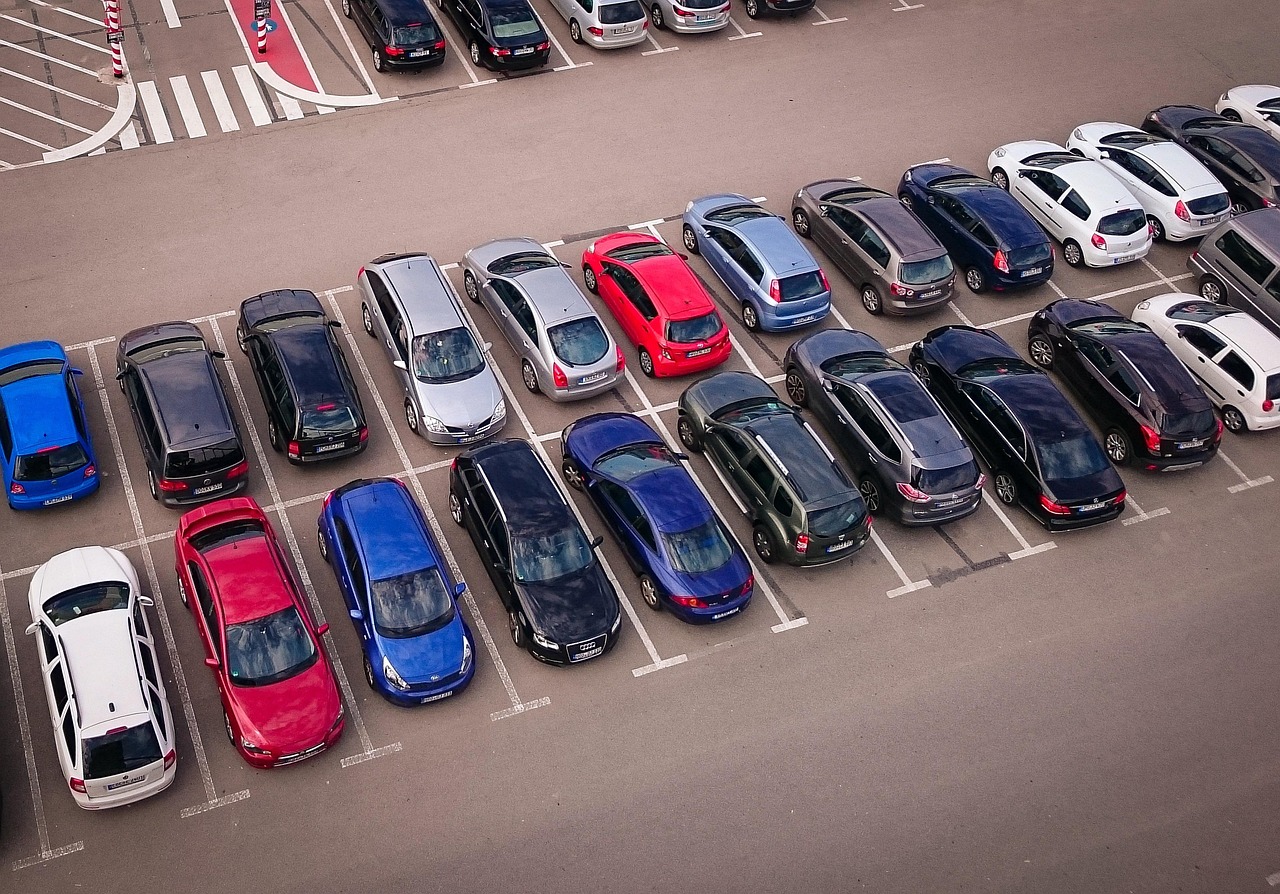
For many dealerships, the value of vehicles on the lot can change every week. Inventory may include purchased units, trade-ins, demonstrators, auction purchases, vehicles waiting for recon, vehicles waiting for sale, and vehicles financed through a floorplan lender. That makes accurate limits, reporting, deductibles, and lender requirements critical.
- New and used vehicle inventory
- Trade-ins waiting for resale
- Auction purchases
- Demonstrator vehicles
- Vehicles awaiting repair, reconditioning, or detail
- Inventory exposed to theft, vandalism, hail, wind, fire, collision, and flood
- Floorplan lender requirements
- Loss payee and additional insured wording where required
- Lot security, key controls, fencing, cameras, lighting, and GPS procedures
Garage Liability vs. Garagekeepers: What's the Difference?
| Coverage | What It Protects | Example | Typically Tied To |
|---|---|---|---|
| Garage Liability | The dealership itself from covered liability claims arising from dealership operations | Test drive accident, customer injury, property damage caused by dealership operations | Bodily injury and property damage liability |
| Garagekeepers | Customer vehicles while in your care, custody, or control | Customer car damaged while parked at the dealership, in service, in detail, or waiting for pickup | Direct primary or legal liability options, depending on structure |
| Dealers Open Lot | Dealership-owned inventory held for sale | Stolen inventory vehicle, hail damage to units on the lot, vandalism to dealer-owned vehicles | Owned inventory value, reporting, and limits |
These coverages solve different problems. A dealership may need all three.
Dealership Types Casurance Can Help Review
Eligibility, appetite, and available coverage vary by state, operations, underwriting, loss history, driver controls, inventory values, and Travelers guidelines.
Operations That Affect the Insurance Review
What Affects Car Dealership Insurance Cost?
Dealership insurance pricing depends on the dealership's actual exposures. A small used car lot with limited inventory and no service work will not be priced the same as a franchise dealership with high inventory values, service bays, dealer plates, test drives, and multiple locations.
These are the main factors Travelers underwriters typically review when pricing this class:
- State and location
- Inventory value
- Highest value vehicle
- Type of vehicles sold
- Number of dealer plates
- Number of employees and drivers
- Driver age, experience, and MVRs
- Test drive controls
- Lot security
- Building value and construction
- Service, repair, detail, or body shop operations
- Annual sales and payroll
- Prior losses
- Deductibles
- Coverage limits
- Floorplan lender requirements
- Whether vehicles are stored indoors, outdoors, fenced, or offsite
- Weather, theft, and catastrophe exposure
What We Need to Quote Car Dealership Insurance

Travelers Commercial Insurance Through Casurance
Casurance helps dealership owners organize the details Travelers and other underwriting teams typically need to review dealership risks. The goal is to make the submission clear, complete, and specific to the way the dealership actually operates.
- Help reviewing current coverage
- Help matching limits to lender and lease requirements
- Help with certificates
- Help identifying gaps between garage liability, garagekeepers, and dealers open lot
- Help reviewing driver and test drive controls
- Help packaging dealership property, inventory, liability, workers' compensation, auto, umbrella, cyber, and crime coverages where available
Coverage may be available subject to underwriting. Terms vary by state and policy, and your policy controls coverage. Not every dealership qualifies for every coverage or carrier.
Related Coverages & Classes
Frequently Asked Questions
Protect Your Dealership Before the Next Test Drive, Storm, or Lot Loss
Your dealership depends on vehicles, people, paperwork, and daily movement. Casurance can help you review the dealership-specific coverage your operation needs and prepare a clear submission for Travelers Commercial Insurance.
Coverage is subject to underwriting approval, policy terms, exclusions, conditions, limits, and state availability. This page is for general information only and does not change any insurance policy.
Get Your Instant Quote
Fast. Free. No Obligation.